

Understanding Gutter Installation in Arkansas
Gutter configuration is a critical part of property care, especially in Arkansas, where climate conditions can vary significantly. Whether you're a homeowner in Little Rock, Fayetteville, or Fort Smith, understanding how gutters function and why they matter is essential. Gutter setup involves setting up a system that channels rainwater away from your home’s foundation, preventing water damage and preserving the structural integrity of your property.
Arkansas climate is known for its unpredictable nature, with heavy rainfall in the spring and summer months. These conditions can lead to water pooling around your home, which can cause foundation issues, mold growth, and even basement inundation. Proper gutter installation ensures that rainwater is efficiently directed away from your home, reducing the risk of damage.
The setup process typically involves reviewing your home’s roofline, identifying the best type of gutter system, and picking materials that can endure the local climate. https://trampdaisy36.bravejournal.net/gutter-installation-in-rogers-a-comprehensive-guide-for-arkansas-homeowners Arkansas homeowners must take into account the unique challenges posed by the region’s weather patterns, such as sudden downpours and temperature variations.
Property upkeep in Arkansas is not just about looks; it’s about protecting your asset. A well-installed gutter system can prevent costly repairs down the line. Whether you're a long-time resident or a new homeowner, understanding the importance of gutter configuration is key to maintaining a safe and functional home.
Common Gutter Types Used in Arkansas
Arkansas homeowners have several options when it comes to gutter types, each with its own benefits and drawbacks. The most common types include aluminum gutters. Each material is suited to different needs and can impact the overall performance of your gutter system.
Aluminum gutters are a popular choice due to their lightweight and durability. They resist corrosion and can last for decades with proper care. Vinyl gutters are another option, known for their affordability and ease of installation. However, they may not be as strong as metal alternatives and can become brittle over time.
Aluminum gutters are more robust and can handle heavy rainfall, making them a good choice for Arkansas regions with high precipitation. However, they are more prone to rust unless coated with a protective finish. Aluminum gutters, while more expensive, offer a unique aesthetic and can last for many years with minimal maintenance.
The choice of gutter type depends on factors such as expenses, weather patterns, and individual needs. For example, in areas like Fayetteville, where elevation and drainage can be challenging, homeowners might prefer more durable materials. In contrast, in cities like Little Rock, where rainfall is frequent, a system that can handle high volumes of water is essential.
Understanding the different gutter types and how they perform in Arkansas weather can help homeowners make informed decisions. Whether you're looking for a affordable option or a future-focused plan, selecting the right type of gutter is a vital action in property maintenance.
How Arkansas Climate Affects Gutter Installation
Arkansas weather plays a substantial role in the installation process of gutters. The state experiences a humid subtropical climate, with hot summers and mild winters. This climate leads to common rainfall, especially in the spring and early summer, which can strain a gutter system if not properly installed.
Rainfall in Arkansas is not uniform across the state. For example, the Central Arkansas region, including cities like Little Rock, frequently sees heavy downpours that can overwhelm improperly installed gutters. In contrast, areas like Fayetteville, with higher elevations, may experience various drainage challenges. Recognizing these regional differences is critical for practical gutter installation.
Temperature fluctuations also impact gutter operation. In the winter, freezing temperatures can cause ice dams, which can damage gutters and lead to water infiltration. In the summer, high temperatures can cause materials to expand and contract, potentially leading to leaks or structural concerns. A well-designed gutter setup must account for these temperature changes to confirm long-term operation.
The installation process must take these climate factors into account. For instance, in areas with heavy rainfall, gutters may require to be larger or have additional downspouts to handle the increased water flow. In regions with extreme temperature swings, materials that can withstand these changes are essential.
Arkansas homeowners should work with professional contractors who understand the local climate and can tailor the installation to meet specific needs. By considering the unique weather patterns of their region, homeowners can ensure that their gutter systems are both effective and long-lasting.
Excellent Options for Gutter Installation in Arkansas
Choosing the right choices for gutter installation is important for ensuring durability and results in Arkansas. The area's climate, with its mix of intense precipitation and weather shifts, calls for choices that can handle these situations without frequent repairs or replacements.
Aluminum is a best option for many Arkansas property owners due to its ability to corrode and corrosion. It is easy to carry, straightforward to mount, and present in a selection of shades to fit diverse home exteriors. This makes it a popular choice in towns like Little Rock and Fort Smith, where residents appreciate both usefulness and aesthetics.
Vinyl gutters are another popular material, mainly for budget-conscious property owners. They are cost-effective and easy to maintain, but they may not be as durable as metal alternatives. In places with intense precipitation, vinyl gutters may not survive as well over time, requiring more frequent maintenance or replacement.
Steel gutters are known for their power and capacity to deal with strong rain. They are suitable for areas like Fayetteville, where height and runoff can be more complex. However, steel gutters demand ongoing upkeep to stop oxidation, especially in places with dampness.
Copper gutters, while pricier, offer a unique permanent option. They develop a inherent color change over time, which can boost the look of a home. These gutters are especially appropriate for homeowners who value aesthetics and are willing to spend in a durable low-maintenance system.
Selecting the top choices for gutter installation in Arkansas involves evaluating both the area's weather and the specific demands of your home. If you're looking for cost-effectiveness, longevity, or a combination of both, there are options that can meet your needs.
Cost of Gutter Installation in Arkansas
The expense of gutter installation in Arkansas differs based on several considerations, including the type of components used, the scale of the home, and the level of the installation. On usual homeowners can plan to pay between $4 and $10 per linear measure for a standard gutter setup. This range can increase depending on the materials and the specific needs of the project.
Aluminum gutters are typically the least expensive selection, with setup expenses varying from $4 to $7 per footage. Vinyl gutters are even more budget-friendly, often charging between $3 and $5 per linear measure. However, their lower cost comes with possible compromises in longevity and functionality.
Steel gutters tend to be pricier, with setup expenses spanning from $6 to $10 per linear foot. Their sturdiness and ability to manage heavy rainfall make them a smart choice for homeowners in regions with significant rain, such as Little Rock and Fort Smith. Copper gutters, while expensive, can vary from $10 to $20 per linear measure, offering a long-term solution with little upkeep.
Work expenses also play a significant role in the overall expense. Professional contractors in Arkansas may charge between $50 and $100 per time period, depending the difficulty of the job. In urban areas like Fayetteville, where elevation and drainage can be more difficult, labor costs may be more expensive due to the additional work required.
Homeowners should also evaluate the future repair costs when assessing the total expense. While some materials may have a reduced starting expense, they may require frequent fixes or updates, resulting in increased future costs.
When preparing a gutter installation process project in Arkansas, it's essential to acquire various quotes from experienced builders to confirm you're getting a fair price for the quality of work and supplies. By grasping the factors that affect the expense, homeowners can come to well-considered choices that fit their budget and future aspirations.
Professional Gutter deployment Steps in Arkansas
Professional gutter installation in Arkansas adheres a methodical process to ensure that the system is both effective and robust. The first step involves a comprehensive review of the home’s edge, gutters, and downspouts. This assessment helps identify the specific needs of the property and discovers any existing challenges that may need to be resolved.
Once the review is complete, the next step is to select the appropriate supplies and gutter kind. This decision is impacted by elements such as the area climate, the dimension of the home, and the owner’s choices. For example, in areas like Little Rock, where heavy precipitation is frequent, a system that can manage high volumes of water is critical.
The setup procedure generally starts with the elimination of any existing gutters, if necessary. This is followed by the setup of new gutters, which are secured to the fascia panel using fasteners and nuts. The gutters are then attached to downspouts, which direct the water away from the home’s foundation.
In Arkansas, it's important to guarantee that the gutters are properly tilted to enable moisture current. This supports stop liquid from pooling and minimizes the risk of harm. Moreover, the setup should consider for the area environment, including thermometer changes and cyclical precipitation patterns.
After the setup is complete, a final review is conducted to confirm that the system is operating properly. This process is vital for uncovering any possible challenges and doing necessary adjustments. Professional contractors in Arkansas are prepared to manage these processes efficiently, ensuring that the gutter setup fulfills the unique demands of the homeowner.
By adhering these procedures, professional gutter installation in Arkansas makes sure that owners have a dependable and efficient setup that protects their property from liquid harm.
Gutter maintenance and Maintenance in Arkansas
Regular cleaning and cleaning are important for guaranteeing the long-term operation of your gutter system in Arkansas. Without adequate attention, gutters can become blocked with debris, trash, and other materials, resulting to rainwater flow and likely harm to your home.
In Arkansas, where strong rain is usual, especially in the time, it's important to check gutters at least two a year—one in the time and one in the spring. This assists avoid obstructions and provides that the setup can manage the increased water flow. For homeowners in regions like Fayetteville, where height and water flow can be greater complex, greater regular reviews may be necessary.
A maintenance schedule should contain examining for breaks, guaranteeing that drain pipes are adequately leading liquid away from the foundation, and inspecting the gutters for indications of damage or damage. In towns like Little Rock, where the environment can be greater moist, regular cleaning is especially necessary to stop mold and mold accumulation.
Homeowners should also be informed of the signals that indicate a issue with their gutter system. These contain water accumulating around the base, sagging gutters, and noticeable damage or rust. If any of these challenges are present, it's important to address them immediately to avoid additional damage.
Professional gutter cleaning services can be a valuable resource for residents who want to guarantee their setup is in good status. These options can provide a thorough service and inspection, assisting to detect and resolve any possible problems before they become major problems.
By remaining on the forefront of gutter maintenance and cleaning, Arkansas residents can guard their property and provide that their gutter setup continues to operate effectively for years to come.
Arkansas Building Codes for Gutter Installation
Arkansas has distinct building codes that govern gutter installation to ensure the safety and functionality of homes across the state. These codes are created to resolve the unique challenges posed by the local climate and regional weather patterns. Homeowners and contractors must adhere to these regulations to ensure that their gutter systems meet the required standards.
In Arkansas, building codes generally cover aspects such as the size and slope of gutters, the position of downspouts, and the materials used for installation. For example, in areas like Fort Smith, where seasonal changes can be significant, codes may mandate gutters to be installed with a specific pitch to guarantee proper water flow. These guidelines help prevent issues such as water pooling and structural damage. https://md.interhacker.space/1va9KrWKSFKiKz9xJKFn7Q
Local regulations in Arkansas may also contain requirements for the number of downspouts and the distance they should be from the foundation. These specifications are vital for ensuring that water is directed away from the home, lowering the risk of basement flooding and foundation damage. In cities like Little Rock, where rainfall can be heavy, these requirements are particularly important.
Contractors in Arkansas must be aware of these building codes to confirm that their installations are in accordance. Not following these regulations can lead to penalties or the need for high-cost repairs. Homeowners should also be knowledgeable about these codes when organizing a gutter installation project, as they can impact the overall design and functionality of the system.
By understanding and adhering to Arkansas building codes, homeowners can ensure that their gutter systems are both efficient and compliant. This primarily guards their investment but also adds to the overall safety and sustainability of their homes.
FAQs
What are the most common types of gutters used in Arkansas?
Aluminum, vinyl, steel, and copper gutters are the most common types used in Arkansas. Each material has its own benefits, with aluminum being well-liked for its sturdiness and economy, while copper offers a special aesthetic and sustained performance. For reliable Gutter Installation in Arkansas in Arkansas, AGM Gutters provides skilled guidance and practical solutions.
How do weather patterns in Arkansas affect gutter installation?
Arkansas environment, including heavy rainfall and temperature fluctuations, greatly influences gutter installation. The state's climate requires gutters that can handle high volumes of water and withstand seasonal changes, making material selection and proper installation crucial for long-term performance.
What choices are best suited for Arkansas weather?
Aluminum and steel gutters are appropriate for Arkansas weather due to their durability and ability to handle heavy rainfall. Vinyl gutters are more affordable but may not be as strong, while copper gutters present a long-lasting and aesthetically pleasing option for homeowners.
What is the typical price of gutter installation in Arkansas?
The cost of gutter installation in Arkansas typically ranges from $4 to $10 per linear foot, depending on the materials used and the complexity of the project. Aluminum and vinyl gutters are less expensive, while steel and copper gutters tend to be more expensive but provide greater durability.
What are the processes involved in professional gutter installation?
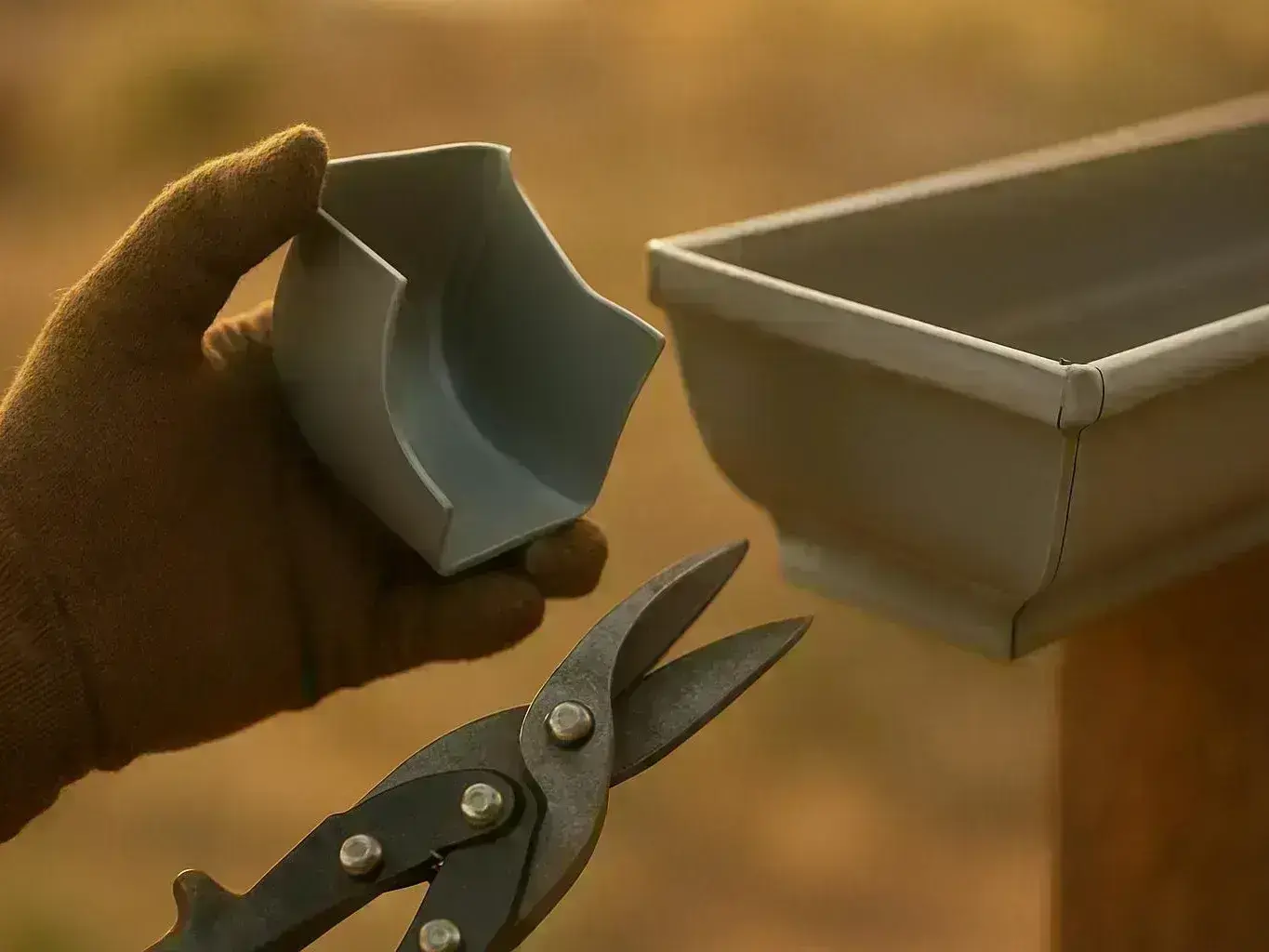
Professional gutter installation in Arkansas involves evaluating the home, picking the appropriate materials, and setting up the system with proper slope and downspout placement. This method ensures that the gutter system functions effectively and complies with local building codes.